
Artificial Intelligence at Loyola
Frequently Asked Questions
In very simple terms, Generative AI refers to artificial intelligence capable of creating new content—whether text, images, or other data—based on patterns and structures learned from existing training data (such as but not limited to ChatGPT, Gemini, Claude, Canva AI, Copilot, Character.ai, Lexis-Nexis, Grammarly, Westlaw, etc…). This technology creates prompt-generated text that appears human written (in many ways, but also may seem obviously generated when one knows what to look for).
Agentic AI can autonomously complete tasks on behalf of the user. Sometimes this requires a user providing all of the security to the AI software including user names and passwords. An example of this technology is Perplexity Comet which can respond to emails, draft schedules and calendars, and even be a personal shopper. In higher education, AI Platforms such as Einstein are able to complete entire Canvas courses on behalf of the student. Warner (February, 2026) covers the implications of Einstein in the article, Einstein is Here.
Read Loyola's complete AI policy.
The University AI Committee has also developed FAQs documents:
In general, Loyola allows responsible AI use but requires human oversight, accuracy, privacy, and transparency. Students need instructor permission and must cite AI use, while faculty and staff must review AI-generated content and protect confidential data. AI cannot be used for academic dishonesty, fraud, harassment, illegal activity, or as a replacement for professional judgment.
Loyola provides the Microsoft Suite to all students, faculty, and staff. This includes Co-Pilot and Notebook. There are also some AI capabilities built into Canvas and university-licensed Google tools including Gemini.
Looking for an AI Tool?
https://theresanaiforthat.com/
For Students
Most AI training for students will be field specific and occur within the classroom or be facilitated by the college in which the course is offered. University offered training will always be communicated via email and on the Canvas global announcement dashboard. Check your email for any available opportunities.
For Faculty and Staff
AI training will vary year to year, but will always be communicated via email. CTRL offered workshops will be listed in the Provost updates, released bi-weekly. We will also have access to the Council of Independent Colleges AI Ready: All Campus Essentials program. More information is coming soon!
No single person is in charge of AI at Loyola, but we do have an overarching University AI Committee that evaluates AI use and makes recommendations about policy changes.
Purpose:
This committee will serve as an advisory and strategic body to guide institutional policies, research initiatives, ethical considerations, and pedagogical innovations related to artificial intelligence (AI). The committee will operate in accordance with the University’s Artificial Intelligence Policy.
Chair:
Vice Provost for Teaching, Research, and Learning
Members:
The committee will be composed of individuals with expertise in AI, data science, ethics, policy, education, and relevant administrative functions. External advisors from industry and government may be consulted as needed. These members will include, at minimum:
- Four full-time faculty members appointed by the Provost and Vice President for Academic Affairs upon the recommendations of the Deans and with diverse college representation.
- One ordinary faculty member elected by the University Faculty Senate
- Chief Information Officer
- Monroe Library Head of Research & Instruction
- Designated member of the Center for Teaching, Research, and Learning
- Student Affairs designee
- Human Resources designee
- General Counsel (or representative)
- Dean’s Council designee
Terms:
- Member terms are for three years. Members may serve consecutive terms as determined by the College Dean, Provost, and/or supervisor.
Non-Voting Members: Student Advisors from across colleges
- Student Government Association representative
- Student Representative, CAS
- Student Representative, CoB
- Student Representative, CMM
- Student Representative, CNH
- Student Representative, Law
- Student Representative, Online
Each student representative will be appointed an alternate representative with terms of one year.
Duties:
- It shall bi-annually review the University’s AI Policy and make recommendations regarding the responsible and ethical use of AI in teaching, learning, research, and administration.
- It shall evaluate the role of AI tools in pedagogy and curriculum development and ensure that AI usage aligns with institutional values and accreditation standards.
- It shall work with the Center for Teaching, Research, and Learning to identify faculty development resources and workshops on AI literacy and usage.
- It shall provide guidance on AI’s impact on academic integrity, bias, accessibility, and fairness.
Reporting:
The committee will report regularly to the President and/or the Provost and Senior Vice President with findings and recommendations.
Coming Soon!
For now, readers are encouraged to review:
Pope Leo XIV, “Magnifica Humanitas: On Safeguarding the Human Person in a Time of Artificial Intelligence,” Encyclical letter (May 15, 2026):
http://www.vatican.va/content/leo-xiv/en/encyclicals/documents/20260515-magnifica-humanitas.html
See also, Pope Leo XIV, “Message of His Holiness Pope Leo XIV for the 60th World Day of Social Communications” (January 24, 2026):
AI Experts at Loyola
Erin Foster, Vice Provost

Dr. Erin Foster is the University AI Committee chair and can assist with questions related to AI policies at Loyola. As the Director of the Center for Teaching, Research, and Learning she can also help faculty redesign assessments or think through their own course policies.
Tim Welsh, Associate Dean

Dr. Tim Welsh has a robust background shaped by 20+ years of teaching experience at the intersection of literary studies and digital culture. His practical experience addressing AI's impact on academic integrity, curriculum, and program development provides a comprehensive understanding of the evolving educational landscape. Dr. Welsh is dedicated to empowering faculty and students to thrive in the AI era. His work will focus on developing accessible resources, support, and community around improving AI literacy across campus. Dr. Welsh leads the AI Faculty Learning Community at Loyola.
Daniel McBride, University Registrar

Daniel McBride quickly recognized the potential for AI to make University processes more efficient, accurate, and cost-effective. As University Registrar, he has taken the initiative to expand his expertise through AI and coding courses, then put those skills into practice - automating workflows and streamlining complex processes such as grade changes and graduation certification. His work demonstrates how AI can be applied thoughtfully to solve real operational challenges and improve the way the University serves students, faculty, and staff.
Raza UI Mustafa, Assistant Professor

Dr. Raza Ul Mustafa is an Assistant Professor in the Department of Mathematics and Computer Science. His research interests include NLP in Hate Speech, Large Language Models (LLMs), Machine/Deep Learning, and mapping Multimedia Quality of Service (QoS) to Quality of Experience (QoE).
Alan Schomaker, Chief Information Officer

Alan Schomaker has a career spanning over 25 years in the field of information technology and he has cultivated a diverse background in both university and corporate settings. His expertise encompasses research, instructional, and enterprise computing, making him a well-rounded leader in the dynamic landscape of IT. He is a member of the University AI Committee and oversees technology advancements at the university.
Landyn Rookard, College of Law

Professor Landyn Rookard’s research focuses on governmental fairness, accountability, and transparency. Professor Rookard’s latest scholarship identifies and proposes safeguards against the growing threats posed by artificial intelligence and algorithmic governance. This includes The Common Threats of Artificial Intelligence and Privatization, 12 Texas A&M Law Review 831 (2025), and Inherently Human Functions, 100 Tulane Law Review 777 (2026). His third article addressing these novel challenges, Digital Personhood and the Immutability of Change, will be published in volume 79 of the Oklahoma Law Review.
Adam Beauchamp, Head of Research and Instruction, Monroe Library

Professor Adam Beauchamp has expertise in the critical analysis of information technologies and their impacts on teaching and learning. He provides research instruction and assignment design support to the Loyola community and promotes the integration of information literacy throughout the curriculum. His current research projects include a scoping review of the literature on students' attitudes and perceptions of AI products and, in collaboration with a team of AJCU librarians, exploring best practices for teaching AI literacy through the Ignatian Pedagogical Paradigm.
Fallon Chiasson, Career Coach

Fallon Chiasson's work with artificial intelligence centers on AI literacy, ethical use, and practical application in career development. As a Career Coach in Loyola's Career Development Center, she presents on the impact of AI in the workforce and helps students understand how to thoughtfully leverage AI to build skills, navigate the job search, and prepare for an increasingly AI-driven workplace. Fallon is particularly interested in helping students approach AI with curiosity and confidence rather than fear, while maintaining the critical thinking, ethics, and human skills that remain essential in the workplace.
Example Courses at Loyola

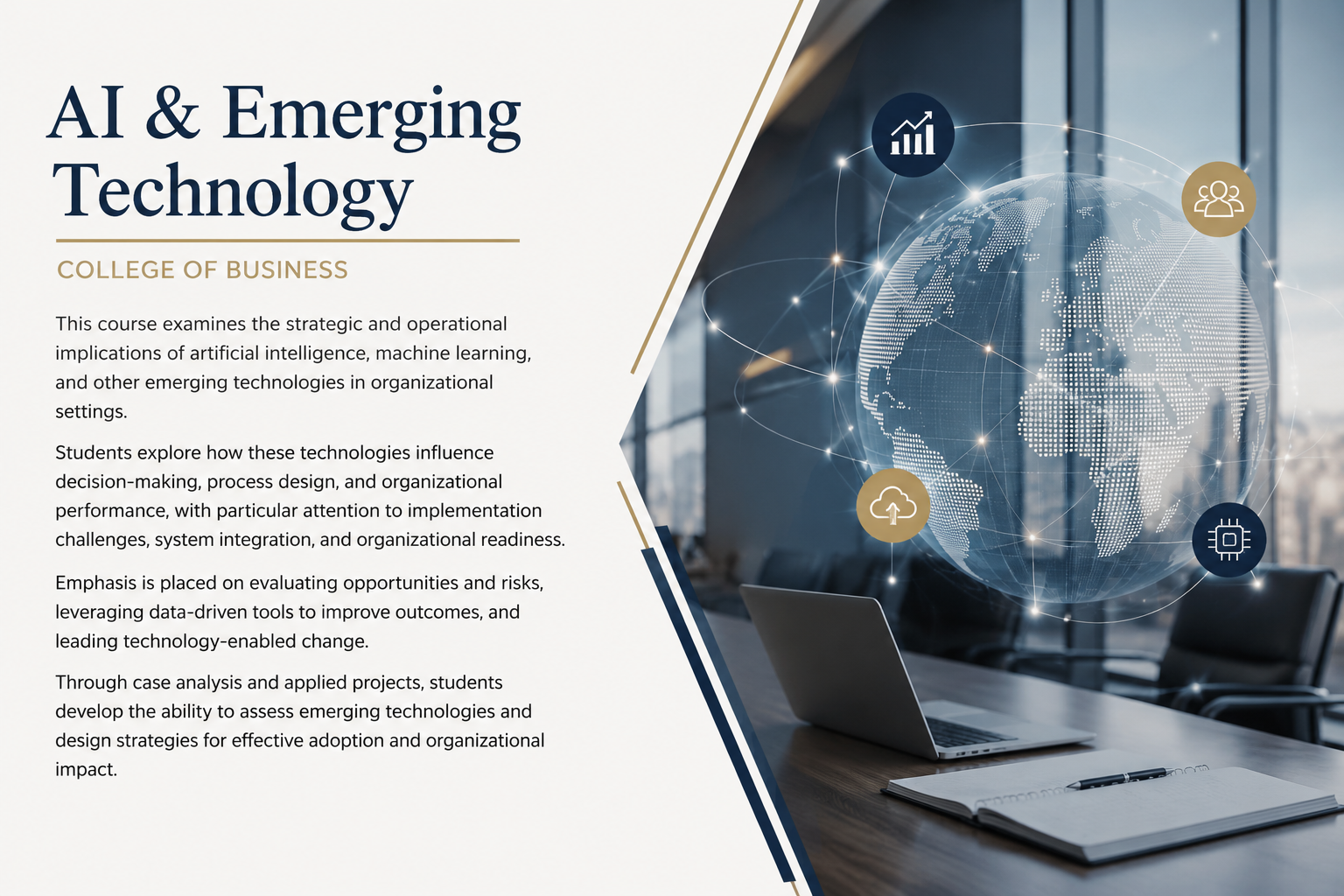

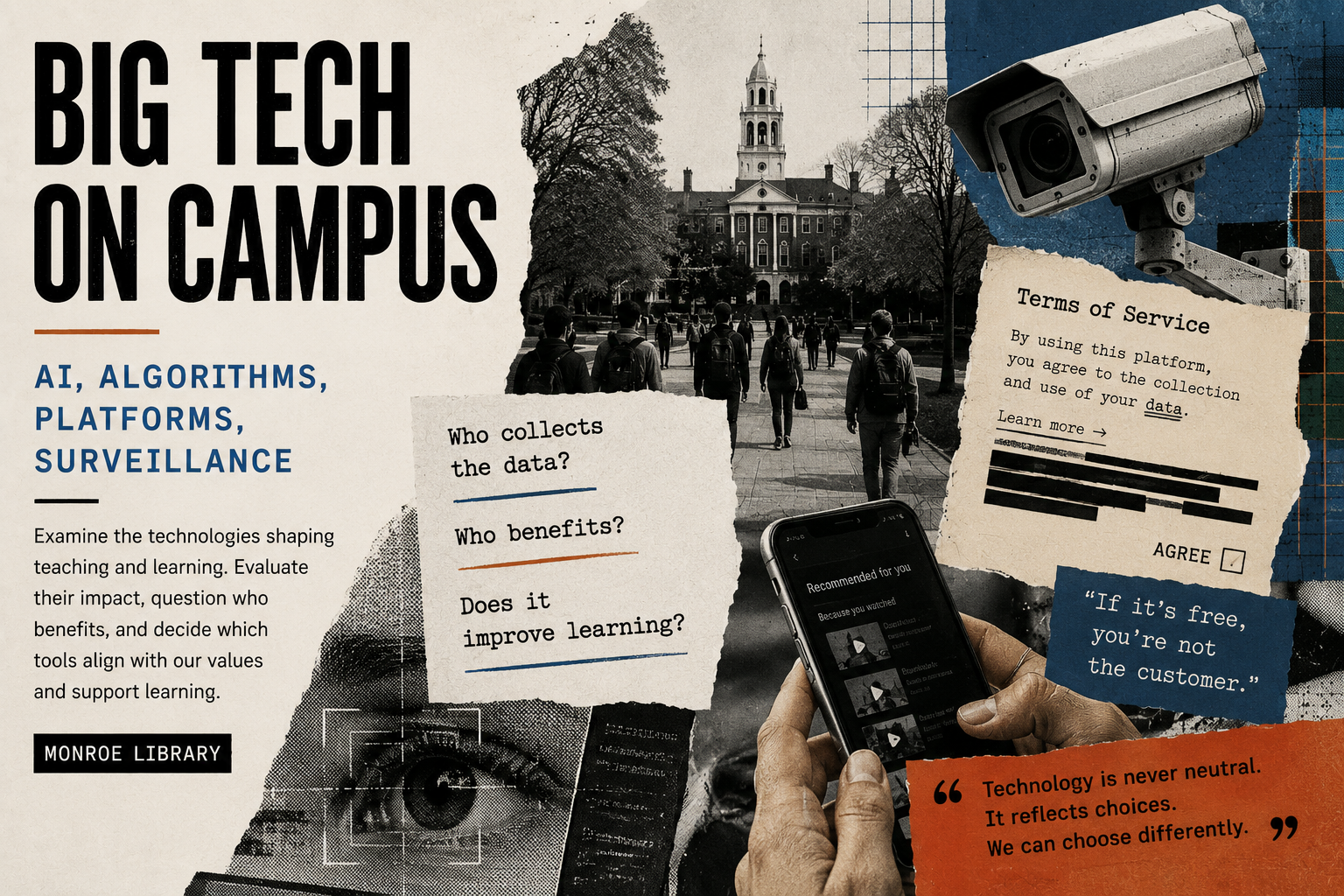
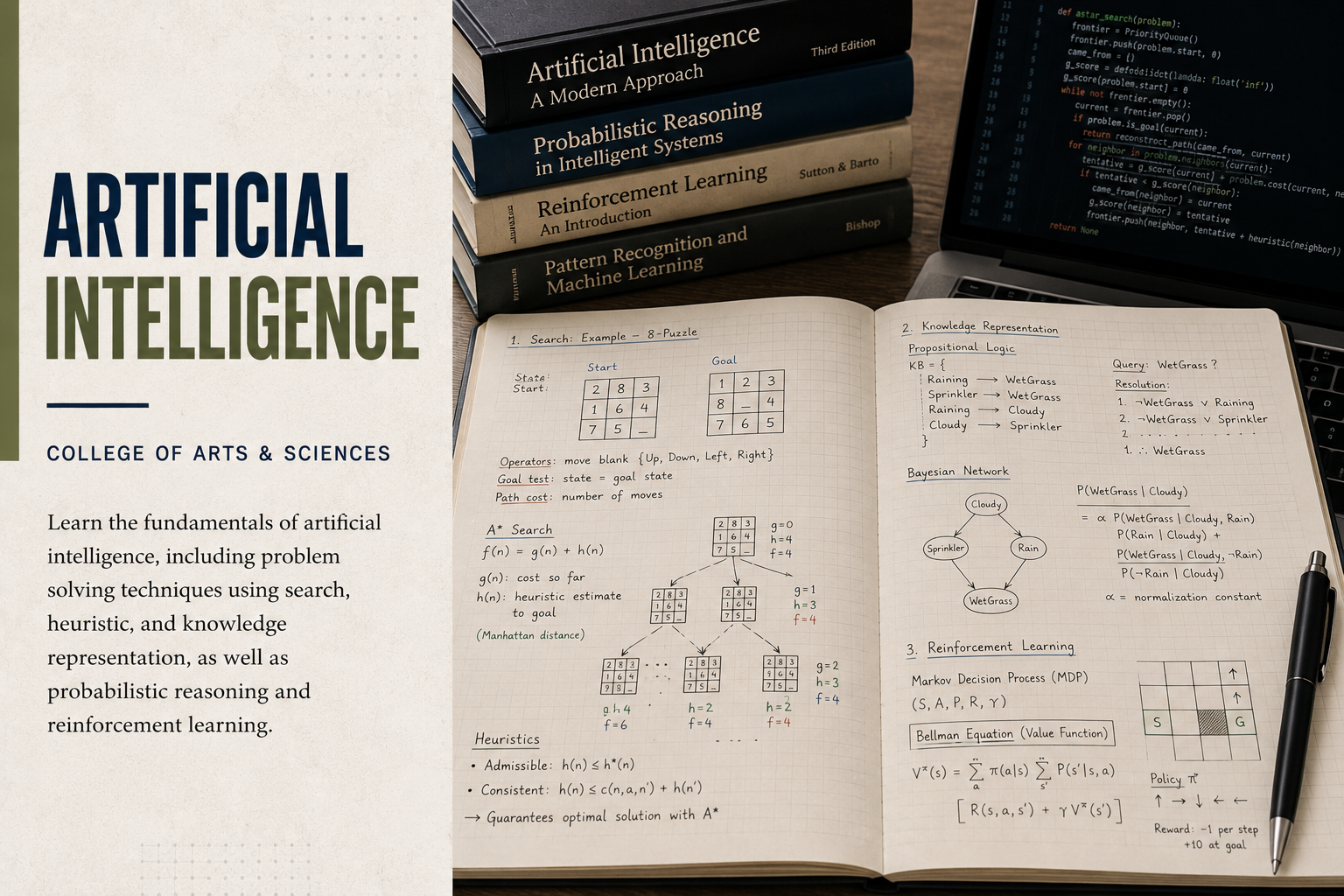
ARTICLES & GUIDES
AI in Higher Education Global Survey
Digital Education Council (2026)
Higher Education Needs Better AI Experiences, Not More AI Tools
Ford (2026), eCampusNews
AI Detectors are out, New Assessments are in
Palmer (2026)
Higher Education Must Bridge the AI Gap
Miranda (2026, Science)
The Imperative of Ethical AI Practices in Higher Education
Ocleppo (2024), eCampusNews
4 Simple Ways to Integrate AI Into Your Class
Harvard Business Publishing (2024)
Let ChatGPT Be Your Teaching Assistant
Harvard Business Publishing (2024)
Chronicle Teaching: What You Need to Know About ChatGPT
TOOLS & RESOURCE HUBS
AI Pedagogy Project
Harvard University
ChatGPT: Academic Integrity Considerations
Johns Hopkins University
Practical Responses to ChatGPT
Montclair State University
What Is ChatGPT and What Does It Mean for My Teaching?
Reinert Center
Understanding AI Writing Tools and Teaching
UC Berkeley
AI in Higher Education
TeachOnline.ca
Why All Our Classes Suddenly Became AI Classes
Harvard Business Publishing
Considerations for Course Design
Illinois State University
Syllabus Statement Templates
Honorlock
Latest News
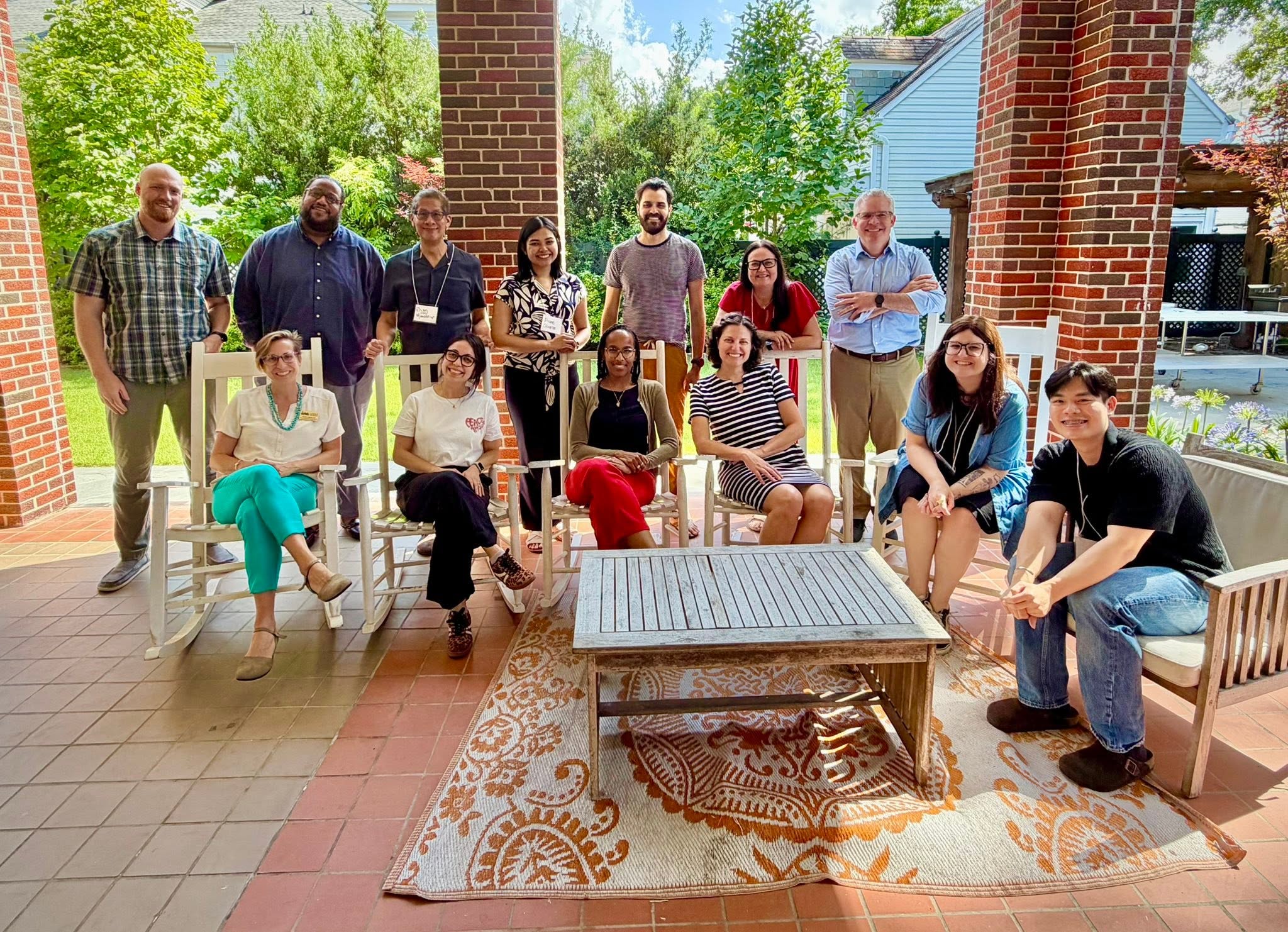
Loyola University New Orleans Explores Faith and Artificial Intelligence in NOLA.com Feature
NEW ORLEANS, Oct. 13, 2026 — Loyola Un
Read moreGrowing in Faith in the Age of AI: Loyola Institute for Ministry Awarded Lilly Endowment Planning Grant
NEW ORLEANS — The Loyola Institute for Ministry (LIM) at Loyo
Read more